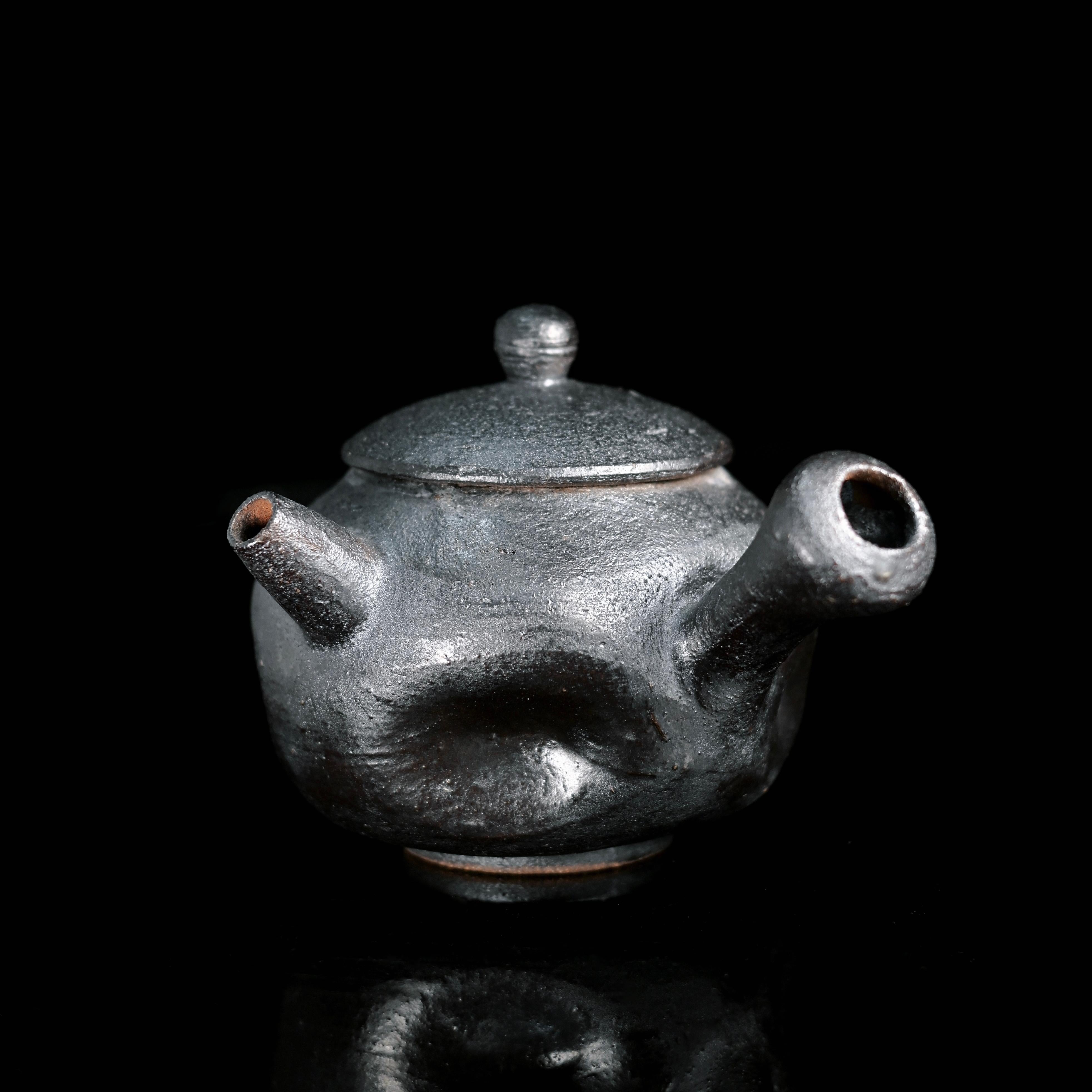
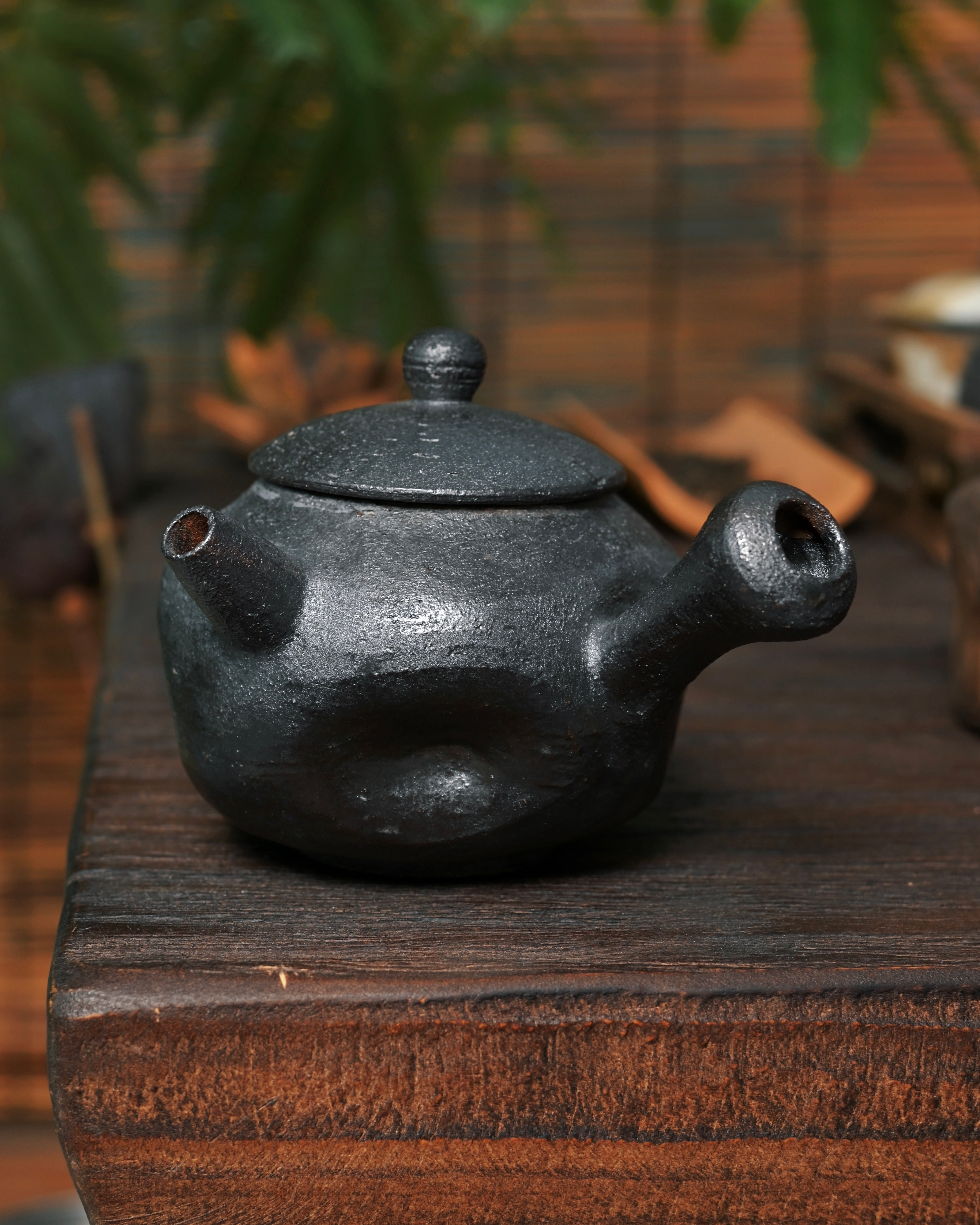
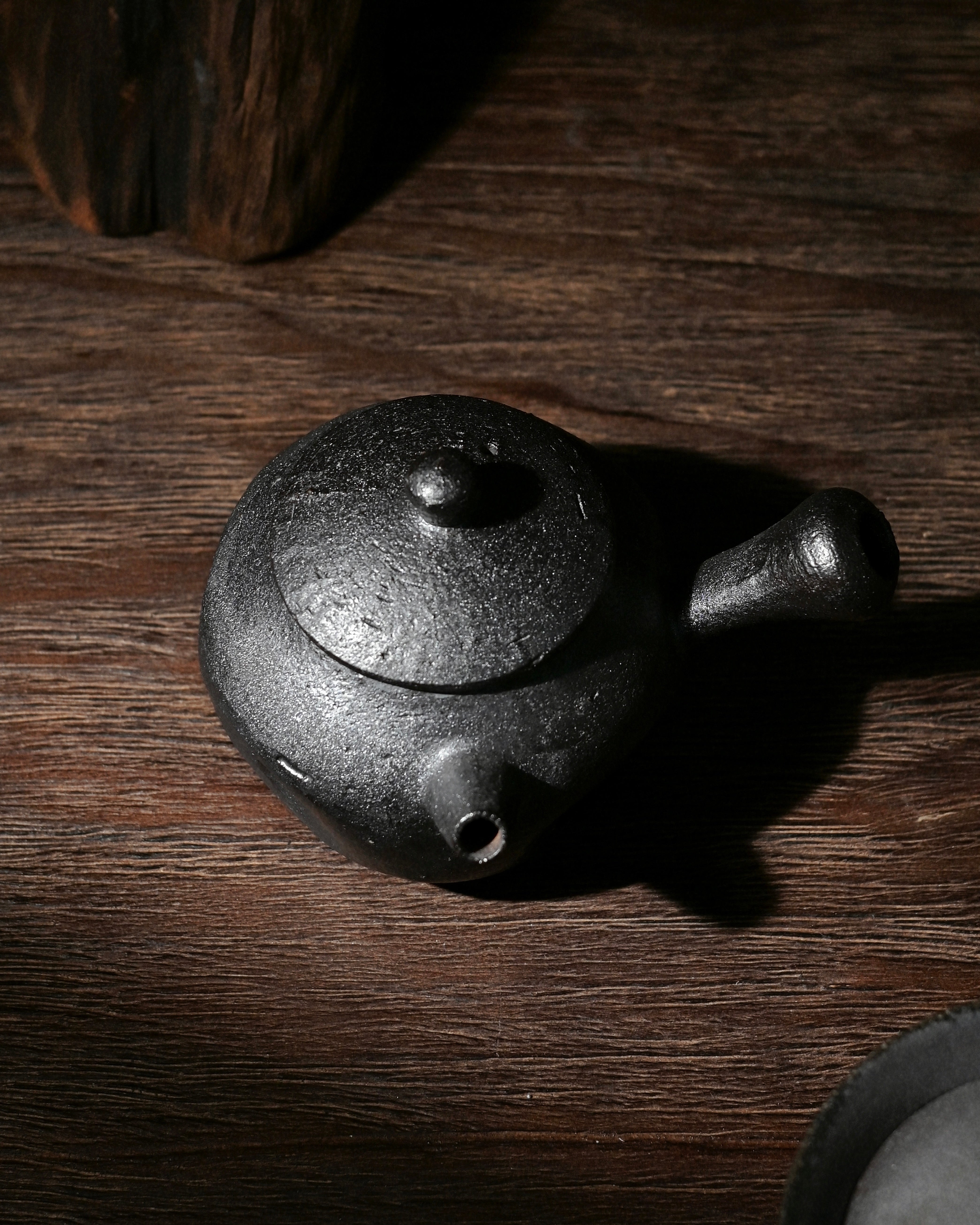
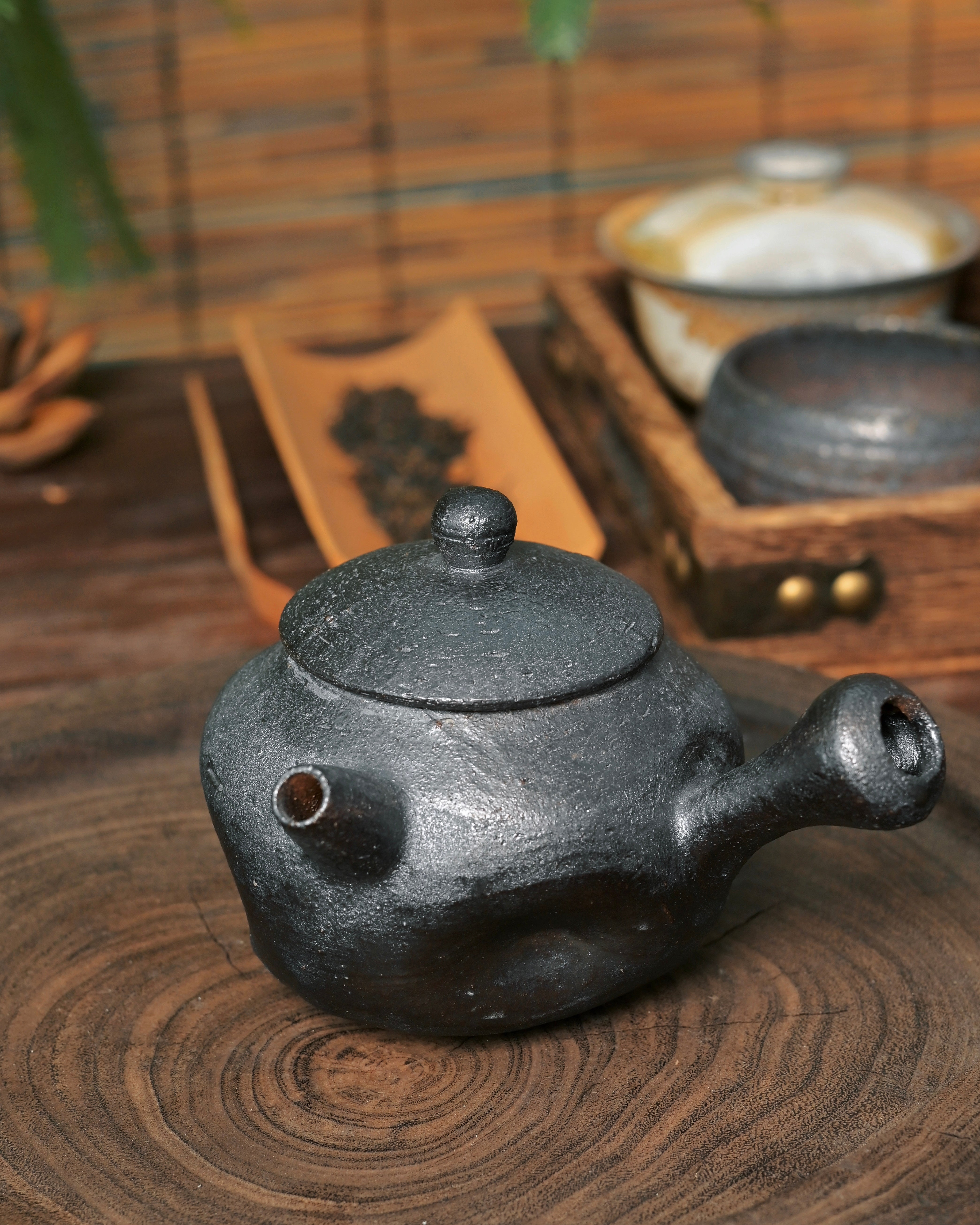

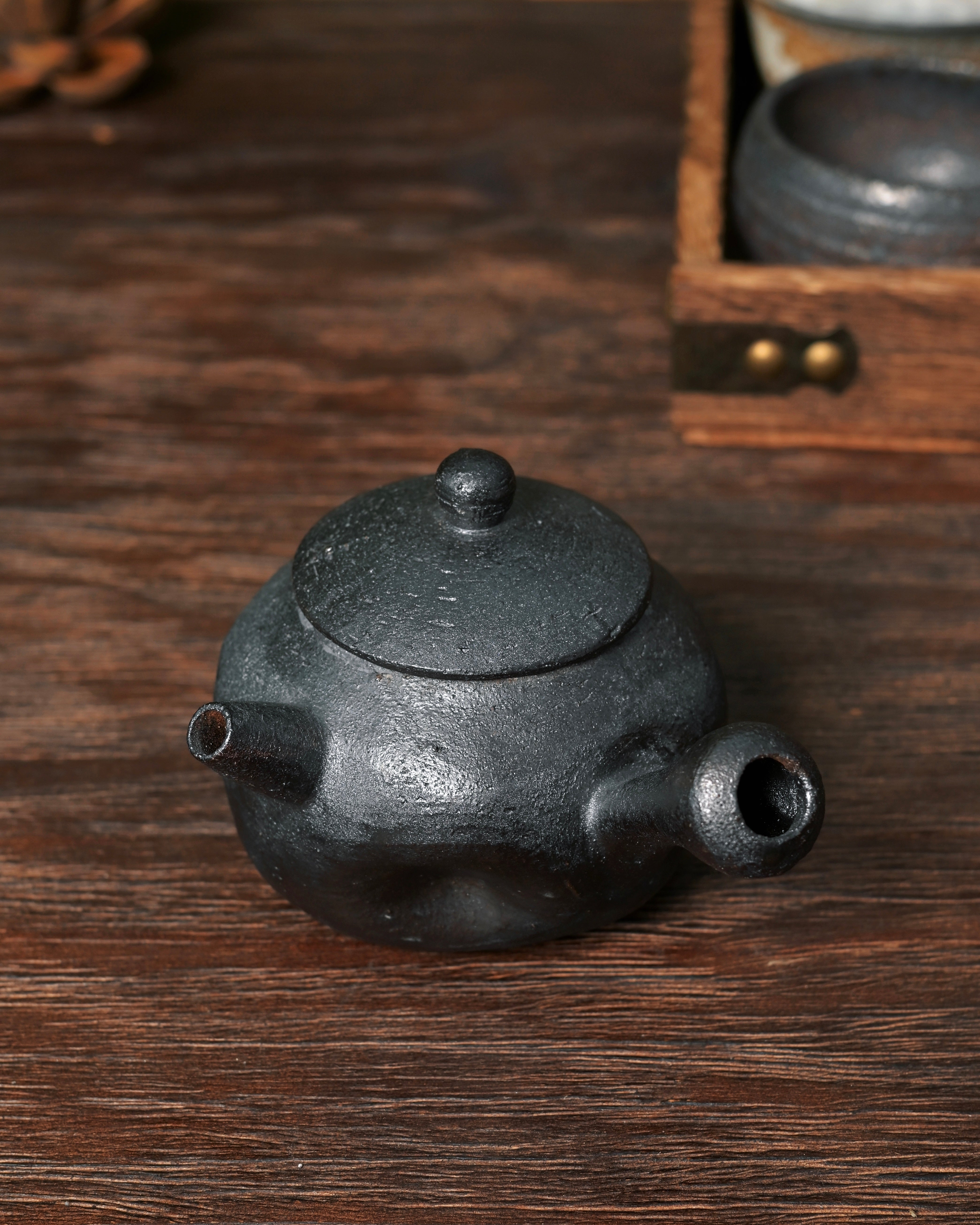
Kungfuyang Artisan 150ml Wood-Fired Side-handle Teapot – Matte Black Kyusu – Wabi-sabi Collection
-
Free Shipping & Returns
-
30-Day Trial
-
3-Year Warranty
Bring focused detail to your tea practice with Artisan 150ml Wood-Fired Side-handle Teapot – Matte Black Kyusu – Wabi-sabi Collection, selected by Kungfuyang for gongfu tea and daily rituals.
Product Highlights
- Teapot selected for gongfu tea and daily rituals
- Distinctive wood-fired surface character
- Capacity: 150ml
Materials & Craft
The source listing identifies wood. Its wood-fired surface character gives this teapot a distinct visual and tactile character.
Small variations in tone, glaze, texture, brushwork, or dimensions can occur in craft-led pieces and are part of their individual character.
Product Details
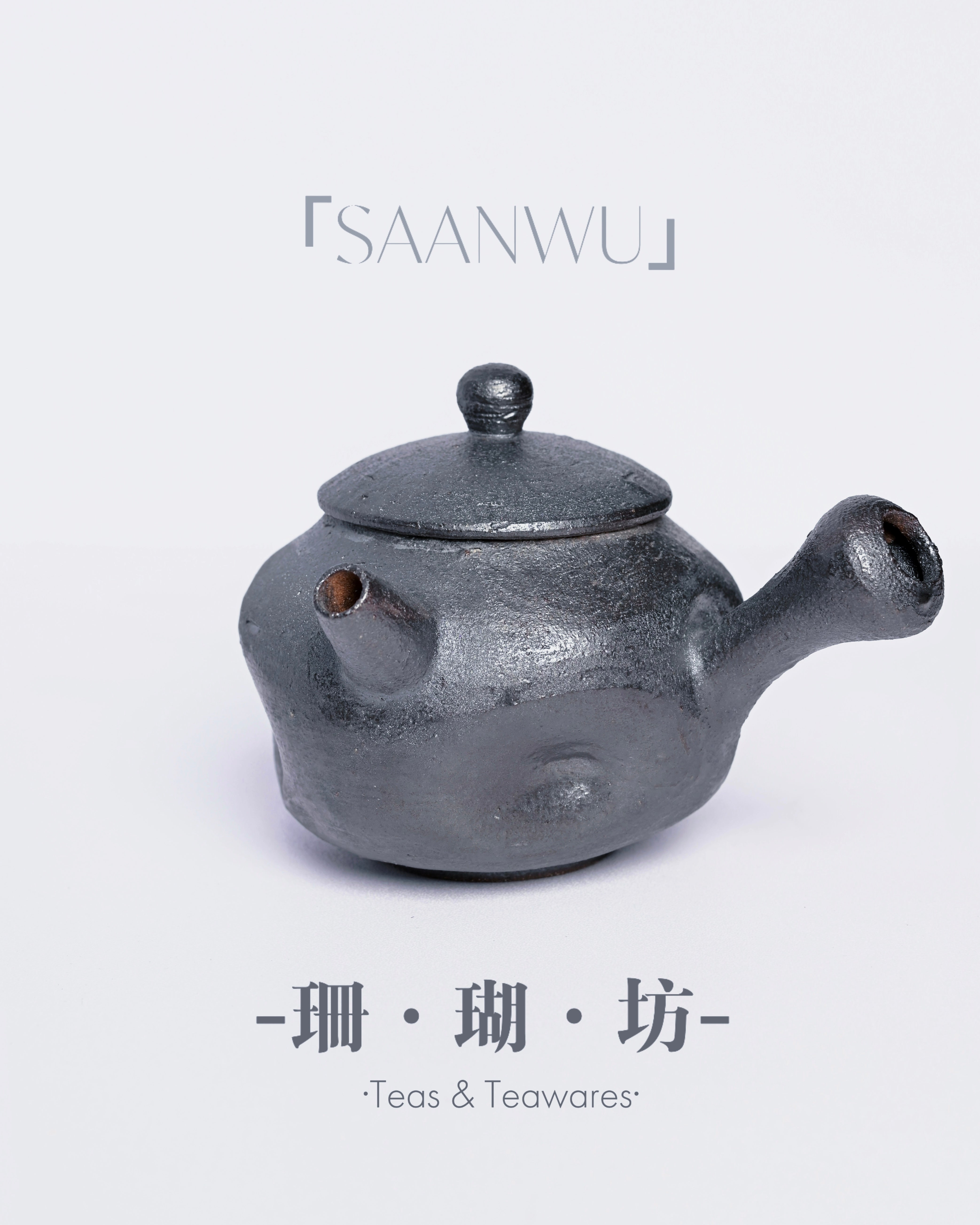
Product Specifications
Capacity: 150ml
Diameter: 12.5cm
Height: 9.0cm
Material: Coarse Clay
Food Safe: Yes
Packaging: Premium gift box
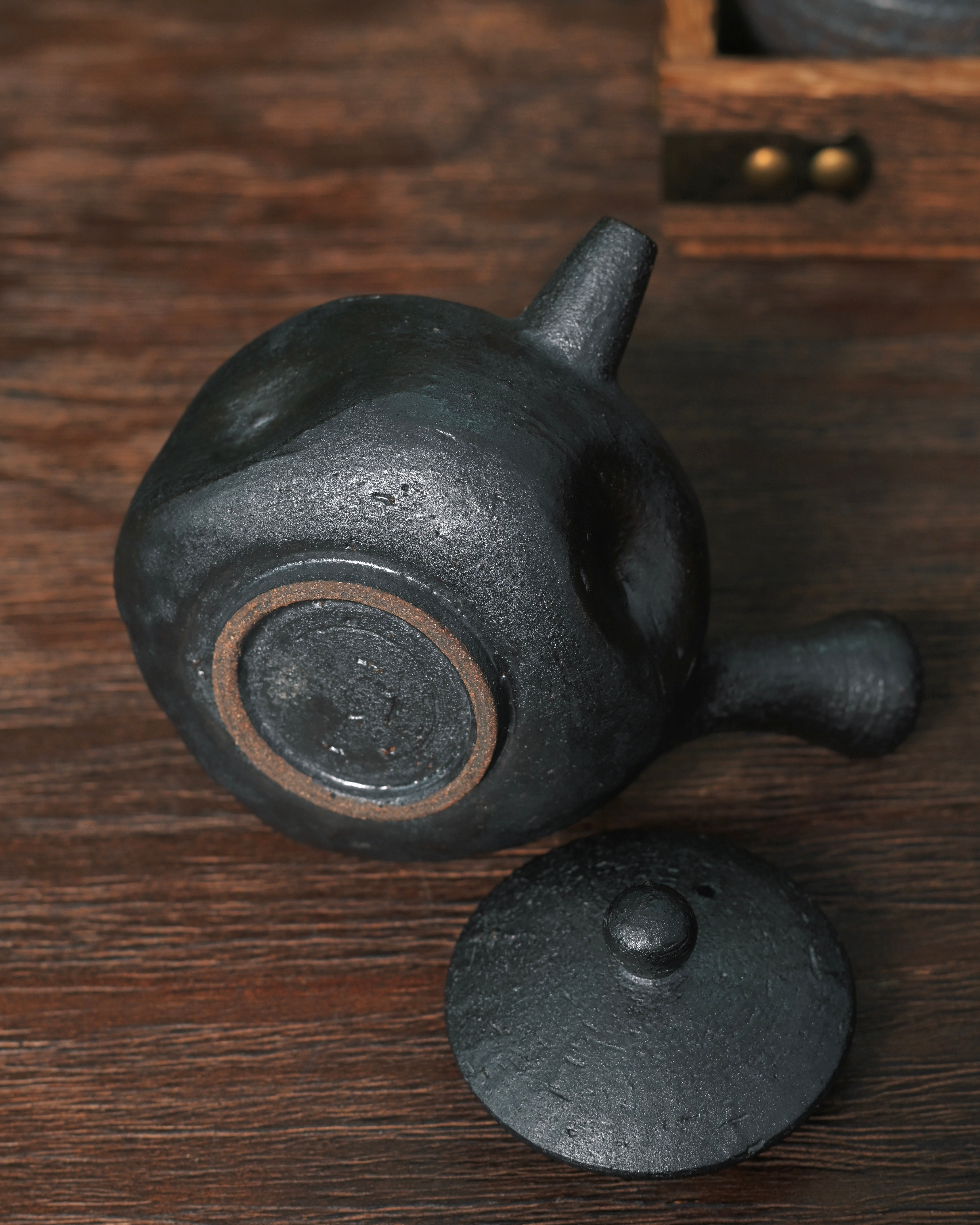
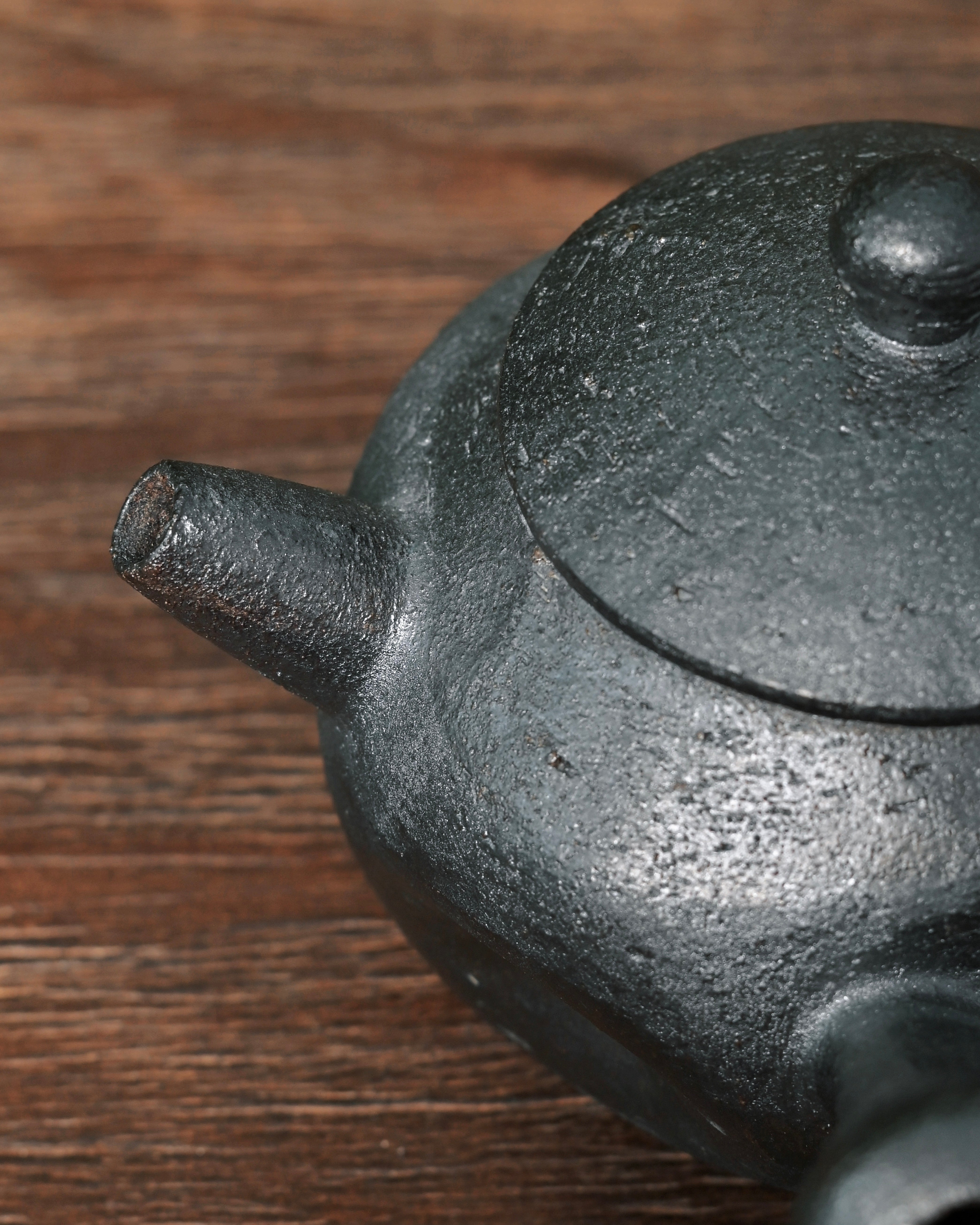
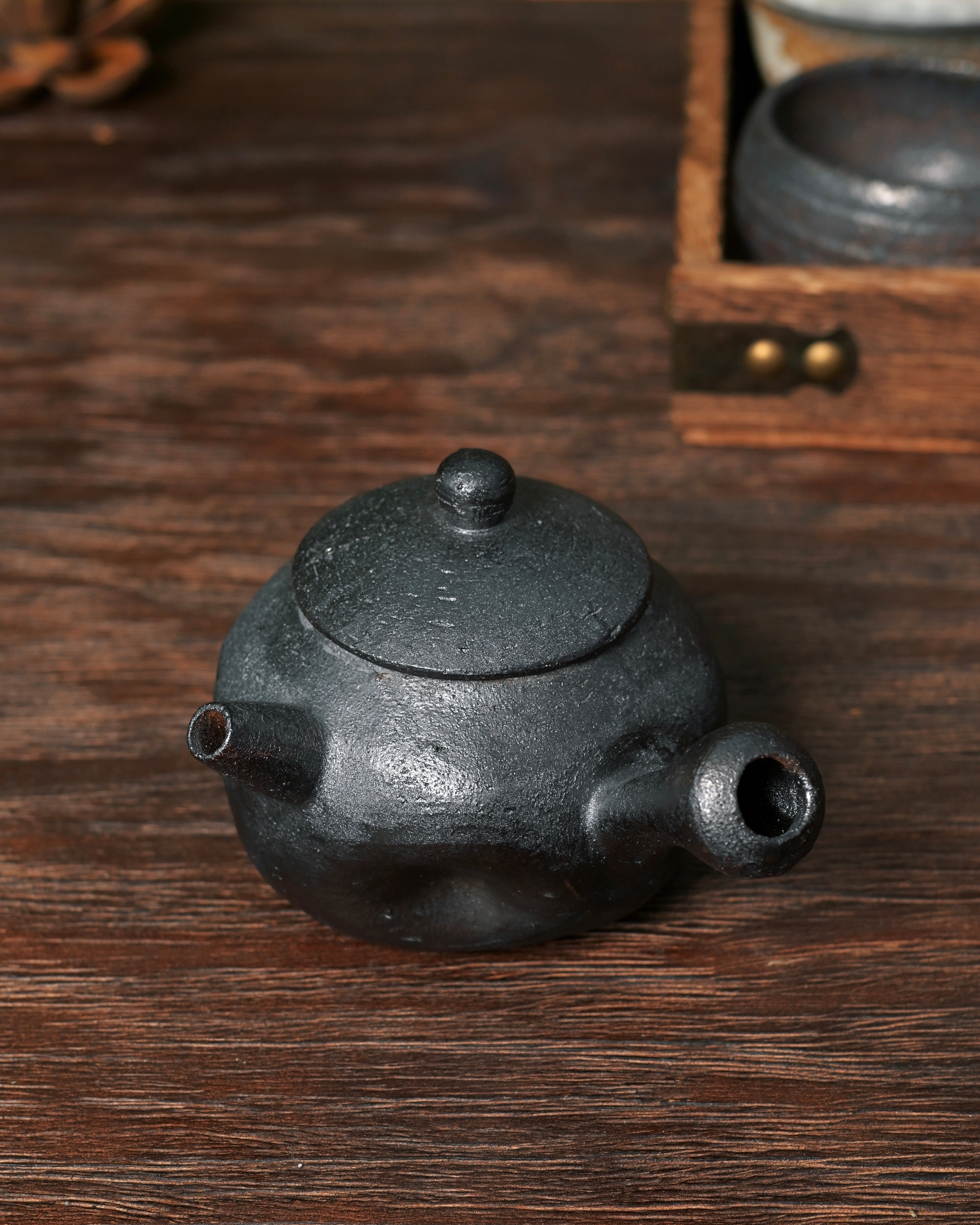
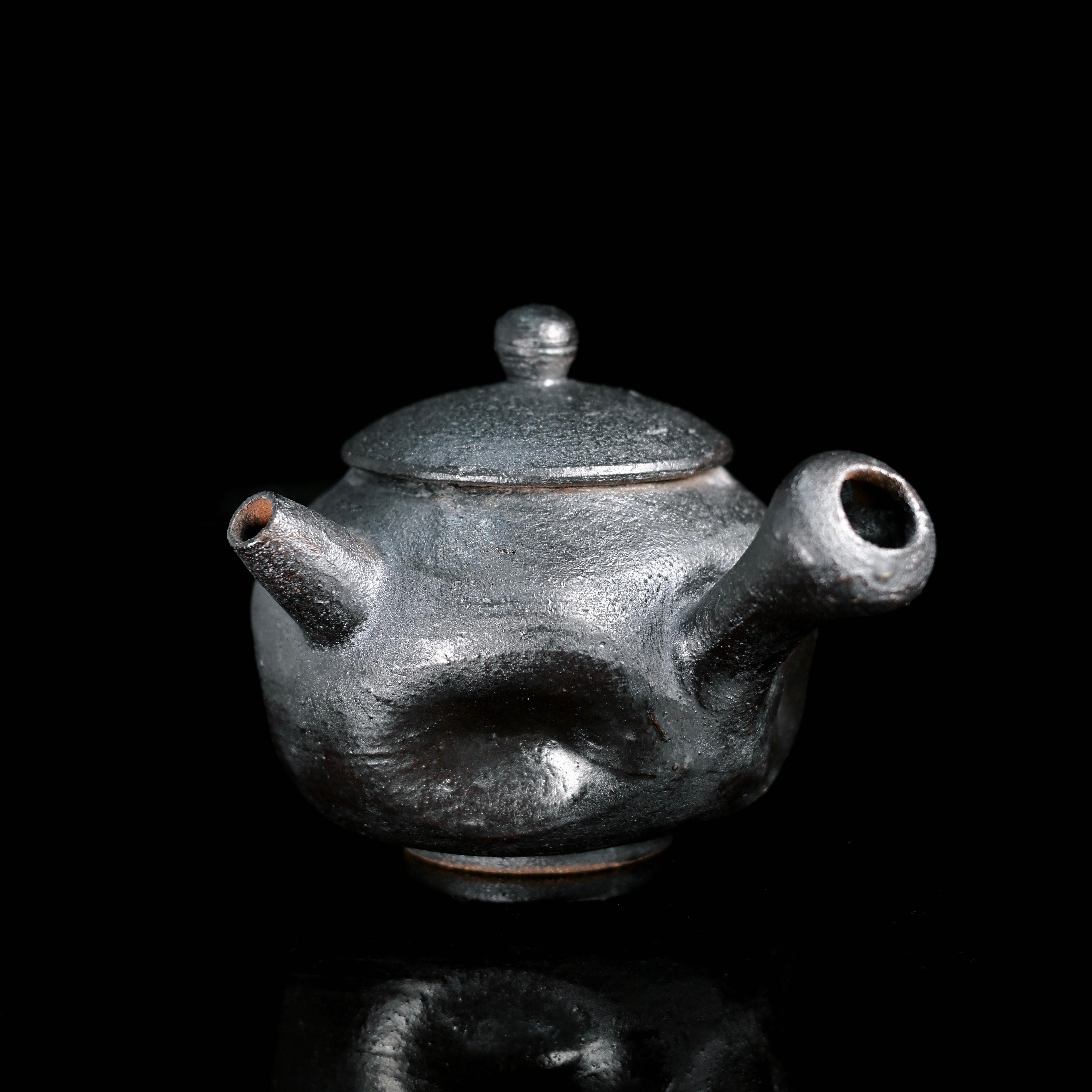
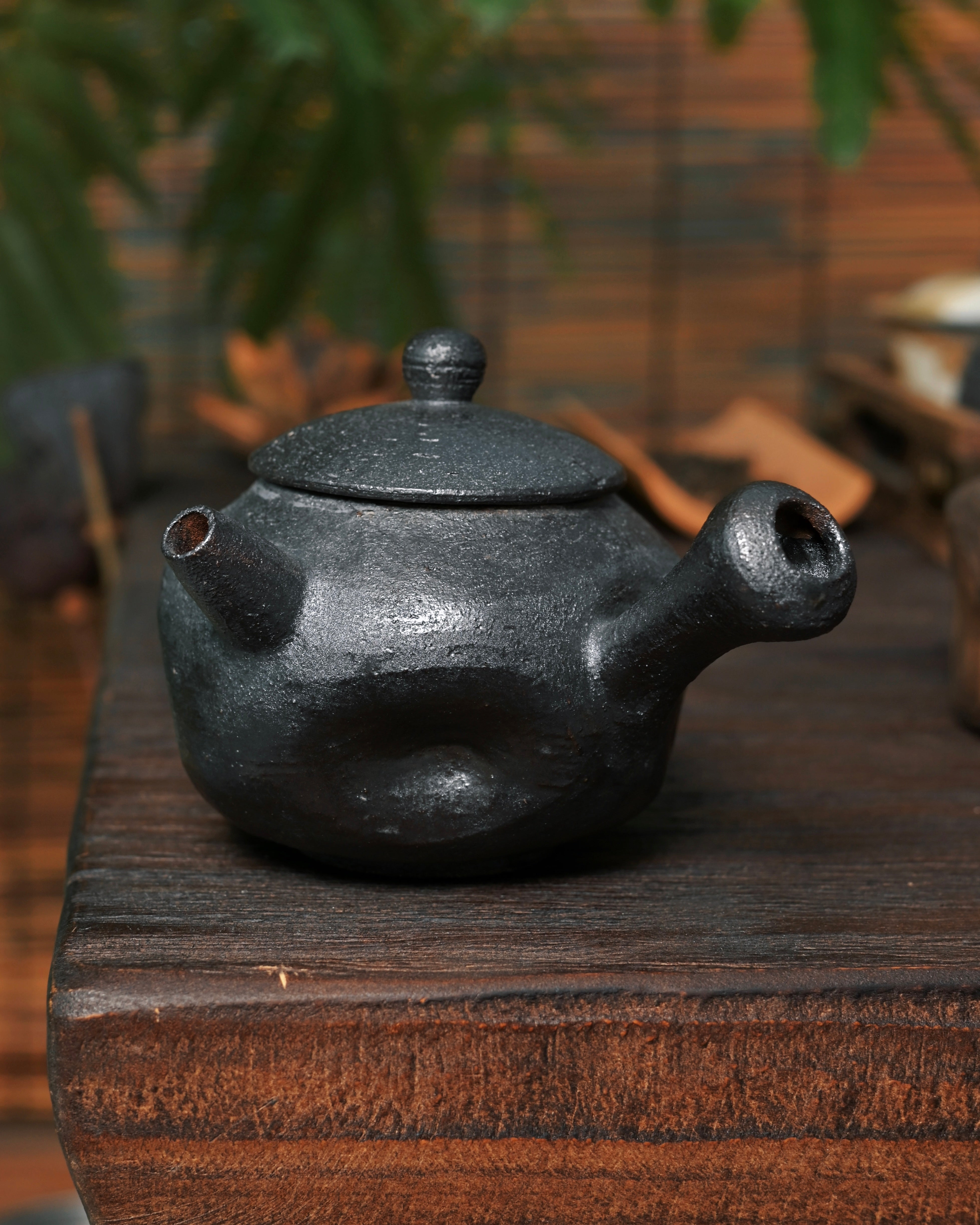
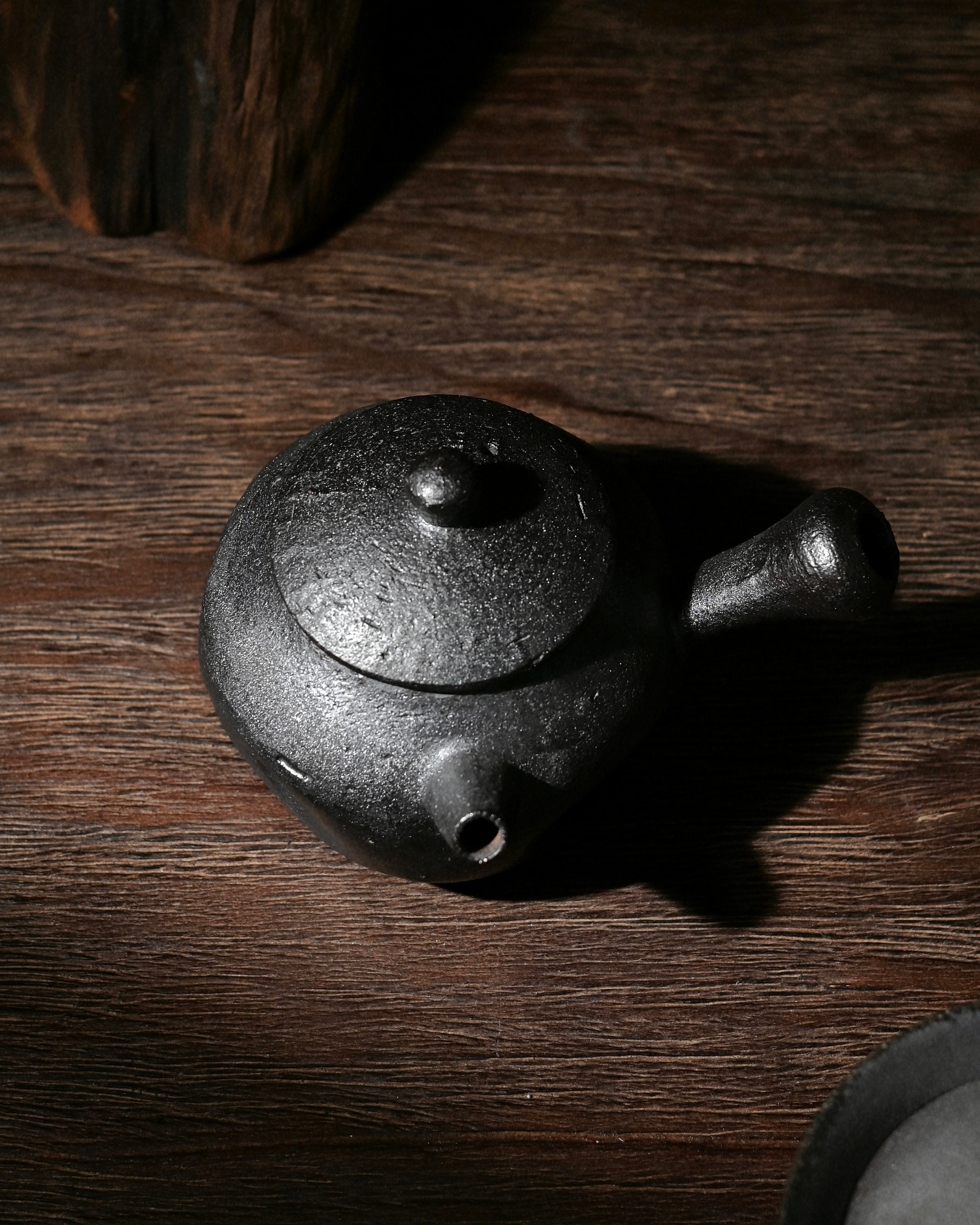
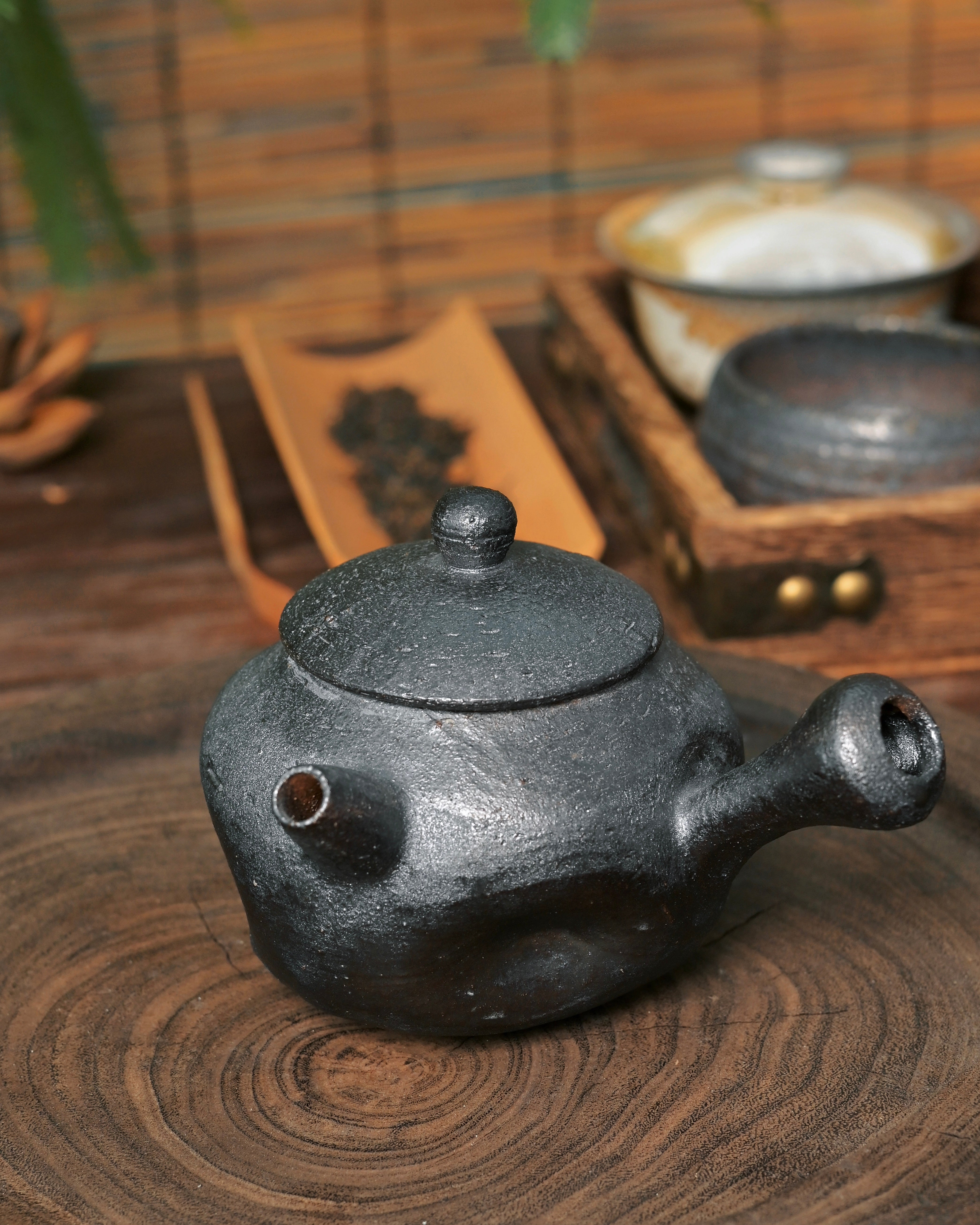
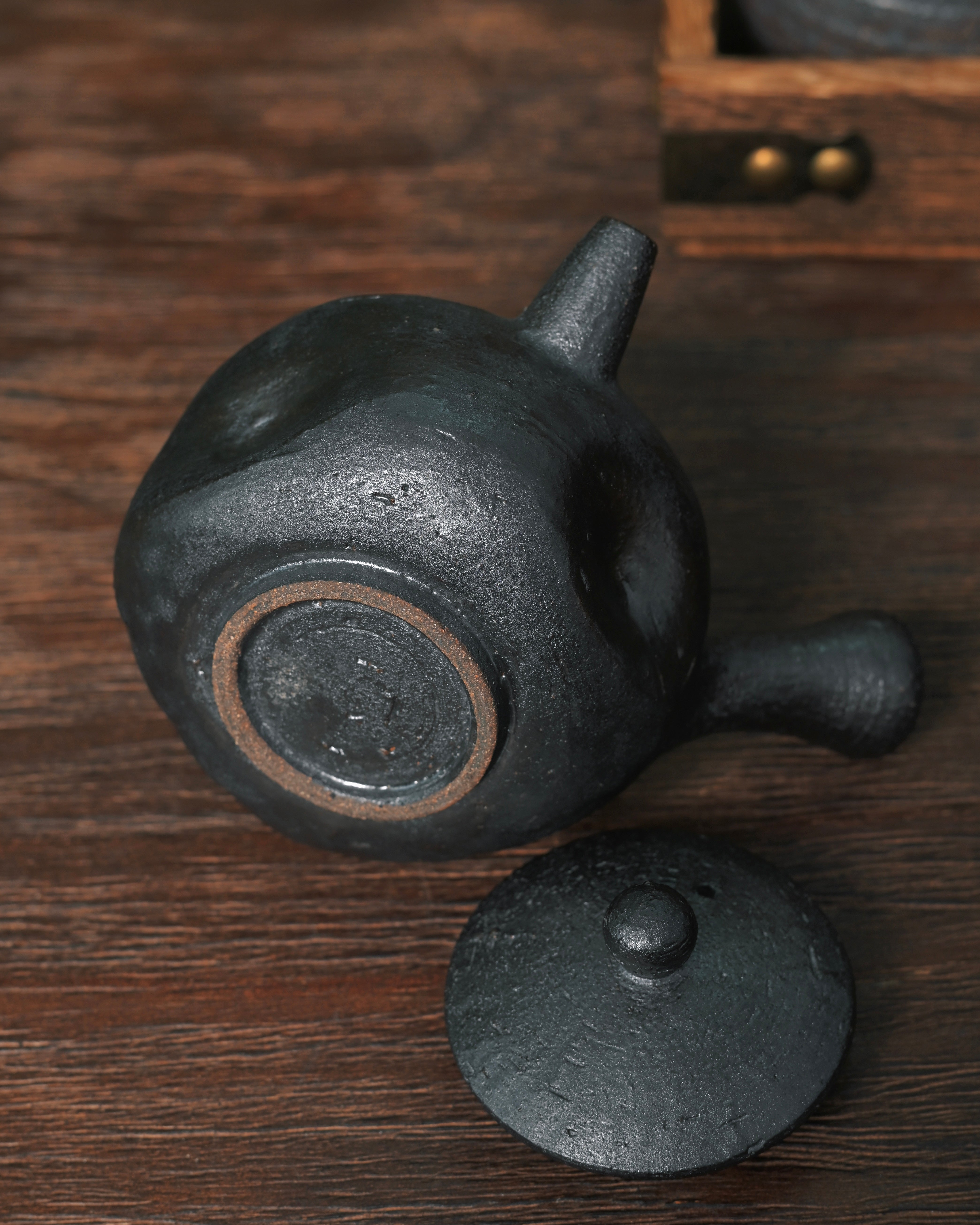
Formed entirely by hand, this teapot emerges from the kiln cloaked in deep charcoal black. Its surface carries a subtle leather-like grain—soft to the touch, yet marked by the raw textures of coarse clay and wood ash. Every irregular contour, every uneven line, speaks of the wabi-sabi spirit: beauty found in simplicity, depth found in imperfection.
Fired in a traditional wood kiln, the pot wears its making proudly—no glaze, no polish, just the honest trace of fire and earth. The side handle curves like a weathered branch, shaped for balance and comfort, allowing the pour to feel like an extension of your own motion.
More than a tool for tea, this is a quiet statement in clay. It holds not only water and leaves, but also time, patience, and the calm wisdom of making by hand.
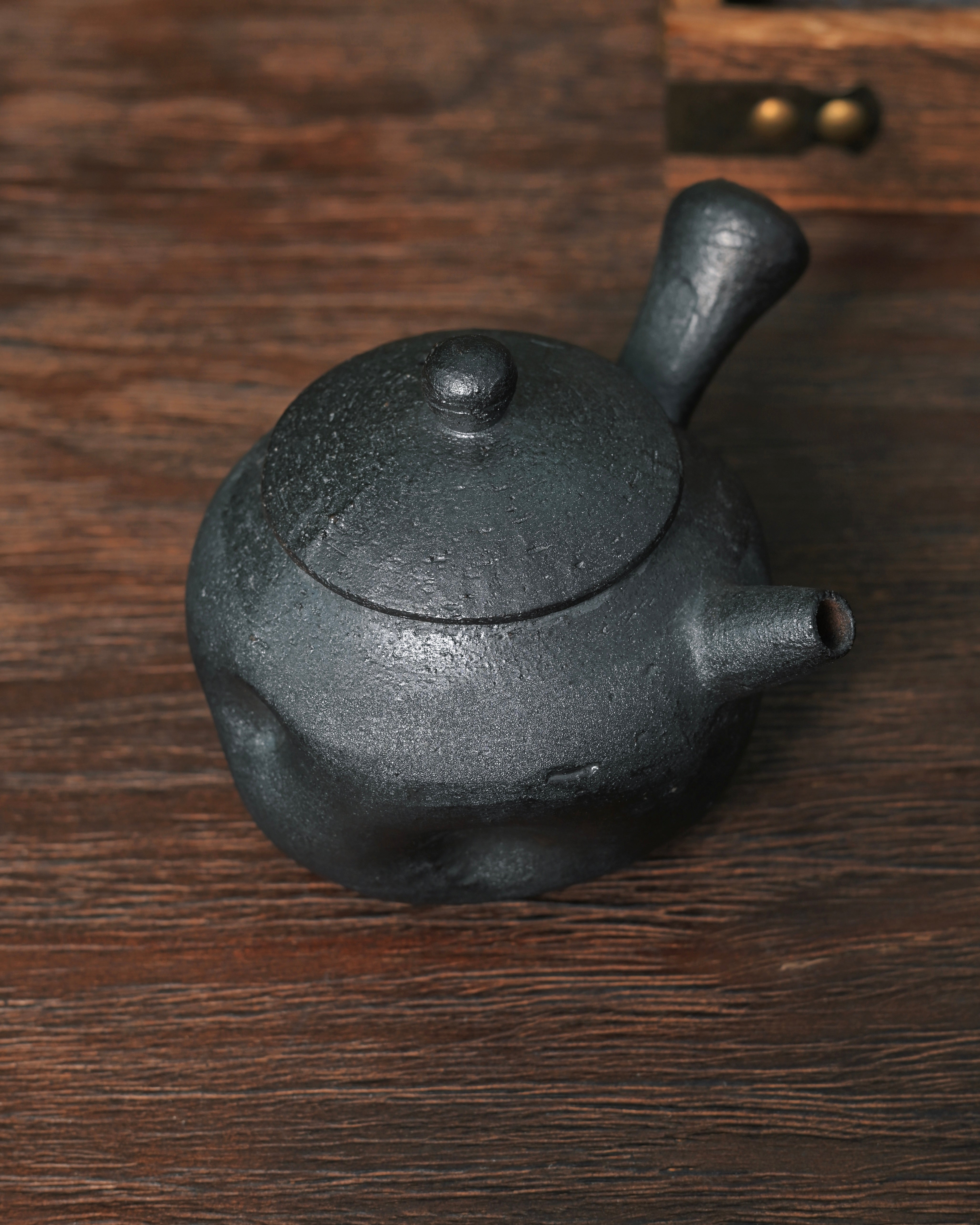
Wood-Fired Naked Burning | Created by Flame
Wood-fired naked burning, also known as unglazed wood firing, involves neither applying glaze nor using saggars. The pieces are directly exposed to the flame and ash inside the kiln. As the firing temperature reaches around 1300°C, the ash melts on the surface of the pieces, forming a natural plant-ash glaze.
The wood used in the kiln is resin-rich pine, which not only heats up quickly but also produces ash that is finer and cleaner compared to mixed wood. This results in a glaze surface that is smooth and lustrous, rarely appearing cluttered or dotted with impurities.
The first stage of firing occurs between 960°C and 1000°C, during which the kiln temperature continues to rise, the clay body releases moisture, ash settles, and fire marks begin to form. In the second stage, the temperature rises to around 1200°C–1300°C, with repeated cycles of heating and cooling, allowing the settled ash to melt and form a natural plant-ash glaze. The third stage involves stopping the heating and gradually cooling down to room temperature. The entire process typically lasts 72 hours, with wood added every 15 minutes—an immense test of physical and mental endurance.
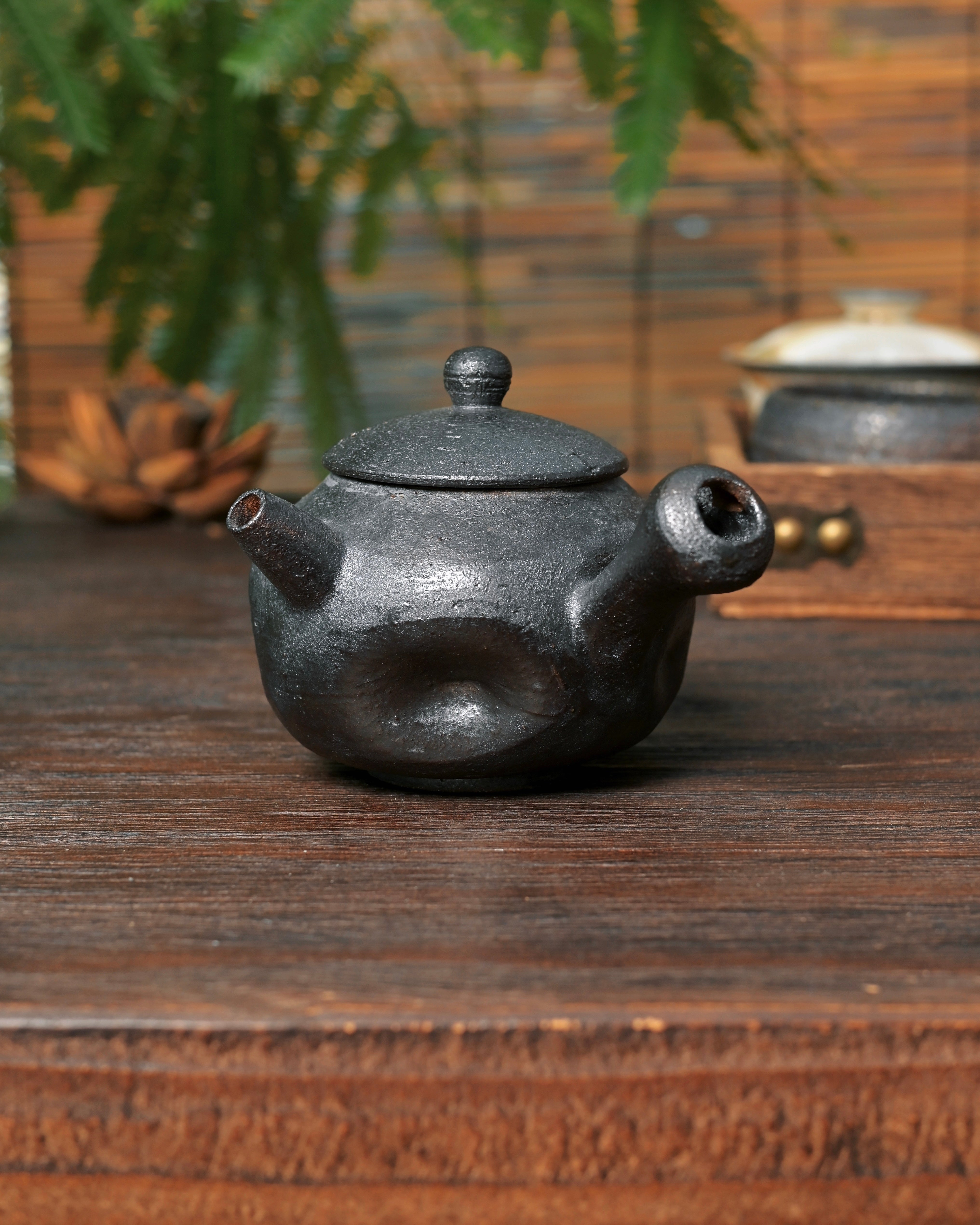
Ideal For
This teapot is suited to gongfu tea and daily rituals, personal collections, and thoughtful gifting where appropriate.
Care Instructions
Hand wash gently with warm water unless the original specifications state otherwise. Avoid abrasive cleaners and sudden temperature changes, then dry completely before storage.
About Kungfuyang
Kungfuyang is dedicated to Chinese tea culture, bringing together expressive teaware, practical accessories, and distinctive teas for unhurried daily rituals. We focus on clear product details, thoughtful presentation, and pieces that help people build a personal tea practice.
Shipping & Packaging
Orders are prepared with protective packaging. Available shipping services, estimated delivery times, duties, and taxes are shown at checkout and can vary by destination.
FAQ
What is included?
The included pieces, capacity, dimensions, and finish are defined by the selected variant and the preserved product specifications.
Will every piece look exactly the same?
Small variations in tone, glaze, texture, brushwork, or dimensions can occur in craft-led pieces and are part of their individual character.
How should I care for it?
Hand wash gently with warm water unless the original specifications state otherwise. Avoid abrasive cleaners and sudden temperature changes, then dry completely before storage.